.png)
.png)
John's story, in full
How it started, why they chose Callpad, and what it's like day to day.
A phone culture that cost the people at the desk
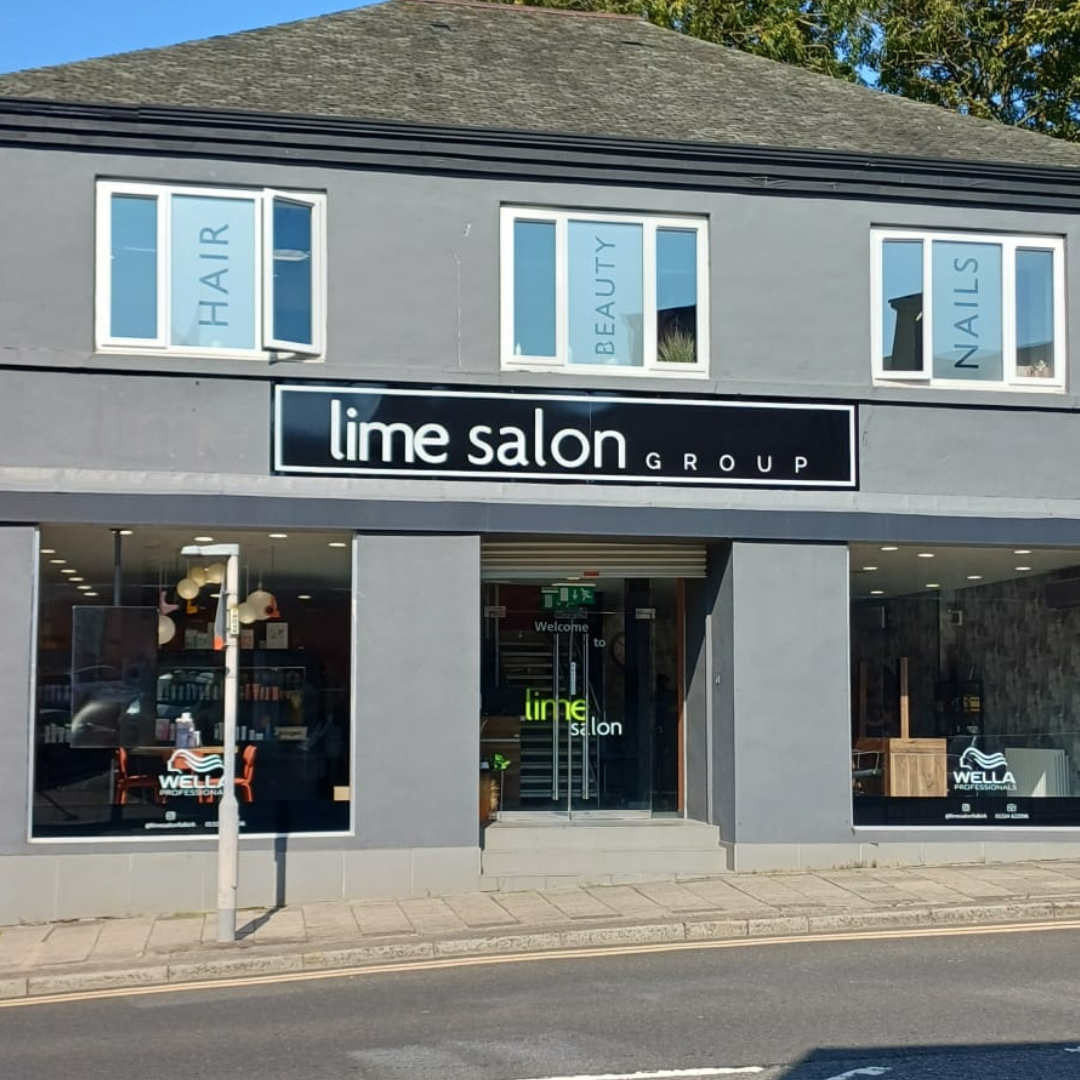
John opened Lime in 2010 as a rent-a-chair stylist with five seats. Today the group runs three big salons across Fife and Falkirk, and he's proud of how they look after people. That pride included the phone. Calls were picked up within four rings, “five an absolute push.”
The problem was who paid for it. Every ring pulled a receptionist away from someone standing right in front of them.
“We didn't necessarily miss calls, but we didn't often give the best customer service experience because we were rushing to take the calls. There was definitely occasions where people were put on hold and forgotten about because another customer would come in.”
When a receptionist was off, it got harder. Someone had to cover the desk, and that sometimes meant moving a stylist's paying clients out of the diary.
Trying it carefully, with the team
John wanted to be early, but he wasn't reckless about it. “We may just take it away if it doesn't work,” he told the team. They ran around 50 test calls, then started with one salon and one receptionist working alongside Callpad while a small group watched every call.
The receptionists had real worries: that clients would complain to them, or that they'd spend all day fixing mistakes. John took those seriously (“I was also worried about all those things”) and introduced Callpad as help for the desk, nothing more. As the receptionist got comfortable, she let more calls go through to it.
Clients met it through a “Meet Sally” reel, with Sally standing next to John at reception. His other worry was the accent. He'd hated bank phone menus for years. That fear didn't last:
“We've never had anyone say it couldn't understand me, even with a Scottish clientele.”
What changed at the desk
The receptionists now look after the person in front of them first. If the phone rings, Callpad answers. Anything that needs a human comes through as a message, and the team calls back when the desk is quiet, usually within 10 to 15 minutes.
“The AI is taking the pressure away from the receptionist. So if the phone rings, generally we can just ignore it because we know it's going to be handled. It's done on their time, five minutes later when there's no customers to deal with face to face.”
The stylists feel it too. “We aren't in a situation where the phone is ringing and team members are looking at each other saying it's your turn to leave your client.”
The real test came this summer. The receptionist at one of the salons was off for more than four weeks. In the past, covering the desk would have meant moving clients. This time it didn't.
“Paying customers have been taken out of the diary so that somebody can man the reception desk. So when this receptionist has been off, we've never cancelled a single customer.”
The team said it to John directly: “Thank God we have the AI now, because this would have been difficult before.”