.png)
.png)
Marina's story, in full
How it started, why they chose Callpad, and what it's like day to day.
A busy salon where the phone followed whoever was free
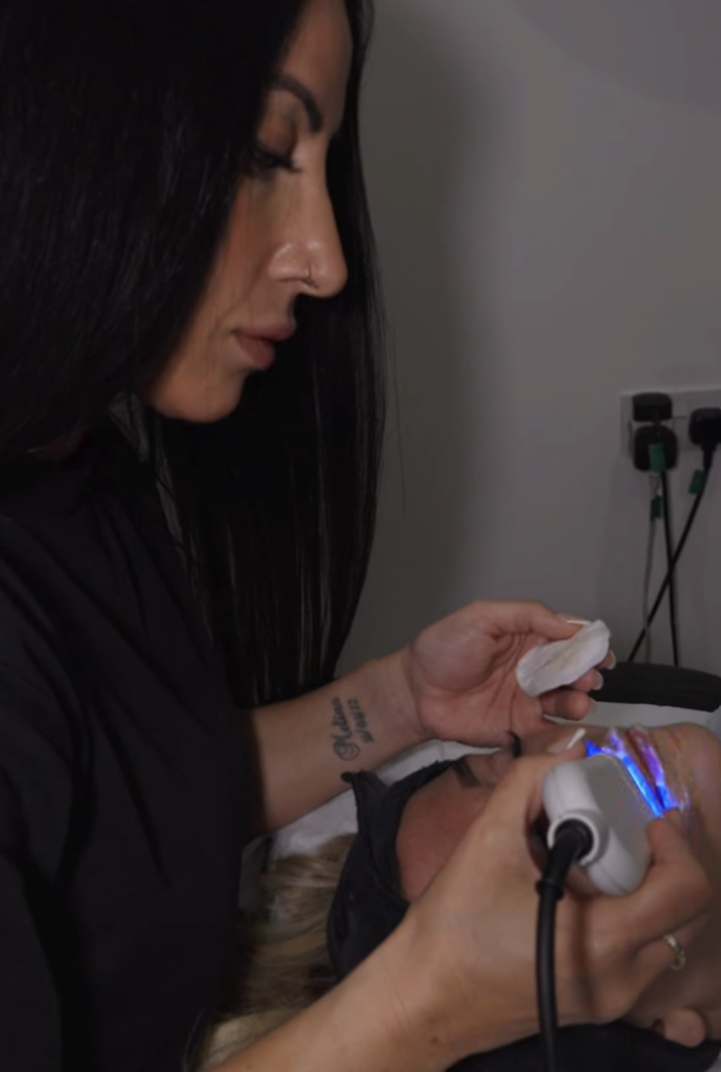
Essence of Beauty has been in Leyton for 31 years. Since the pandemic, the team has run front of house between them: therapists and stylists greet their own clients and look after the desk as they go.
That worked well until the salon got busy again. The phone went wherever the nearest free pair of hands was, and often that meant the therapist doing a manicure at the front.
“If you're answering one or two calls, it's fine. But when it's continuously calling and you're trying to do a treatment, then it becomes a little bit unfair to the client.”
There were days it didn't ring at all, and days it rang ten times during one treatment. The house rule was that you never ignore the phone, so someone always had it with them. That meant “can we call you back?”, notes scribbled mid-treatment, and a therapist who couldn't give the client in the chair her full attention. Marina felt it herself: “I'd feel the pressure of the client who's waiting for me.”

Why Callpad
Marina assumed a voice assistant would be out of reach for a salon their size. Then SalonIQ, the booking system they already use, told her they had someone doing it with them. It plugged straight into their diary, and the price was lower than she'd expected. “Some people were coming in making lots of different promises,” she says. Callpad was the one that fit.
How they use it
The phone still rings in the salon first. If someone's free, they answer it. If everyone is with a client, Callpad takes the call, books straight into the diary, and emails Marina a summary.
On her break she scrolls through the call list (“no action needed, no action needed”) and rings back the few callers who asked for her, the same day. When clients ask why a machine picked up, she has a simple answer:
“We are not answering the phone because we can't, rather than we don't want to.”
Marina says most clients are really supportive once they hear why: it means their therapist can give them 100% while they're in the room.
What changed for the team
“When we first told them we were going to get it, they were over the moon, because everyone is a lot more relaxed now knowing that they're not having to juggle.”
The phone no longer has to live in someone's pocket. Marina says it hasn't added to her workload: “I feel like it's helped manage my workload.” Her mornings are different too. She starts the day with a short list of people who tried to get through overnight and calls them before her first client. “You're getting more people in your diary than you normally would.”
Callpad also asks the careful questions on every call, like patch tests and contraindications, which are easy to miss when a therapist is squeezing a call in between clients.